Art Therapy
Art Therapy in Huddersfield with Laura Lee: Healing Through Creativity
In my practice I often meet adults and children who are struggling with feelings that are hard to put into words.
Sometimes the pain is rooted in early trauma or disrupted attachments; sometimes it comes from anxiety, depression, or the challenges of living in a world that feels overwhelming. For some, talking therapy can feel too direct, too exposing, or simply not the right fit.
This is where art therapy offers something unique. At Therapy Huddersfield, we are proud to have Laura Lee as part of our associate team — an HCPC-registered Art Psychotherapist with extensive experience supporting children, families, and adults to explore and process their inner world through creative expression.
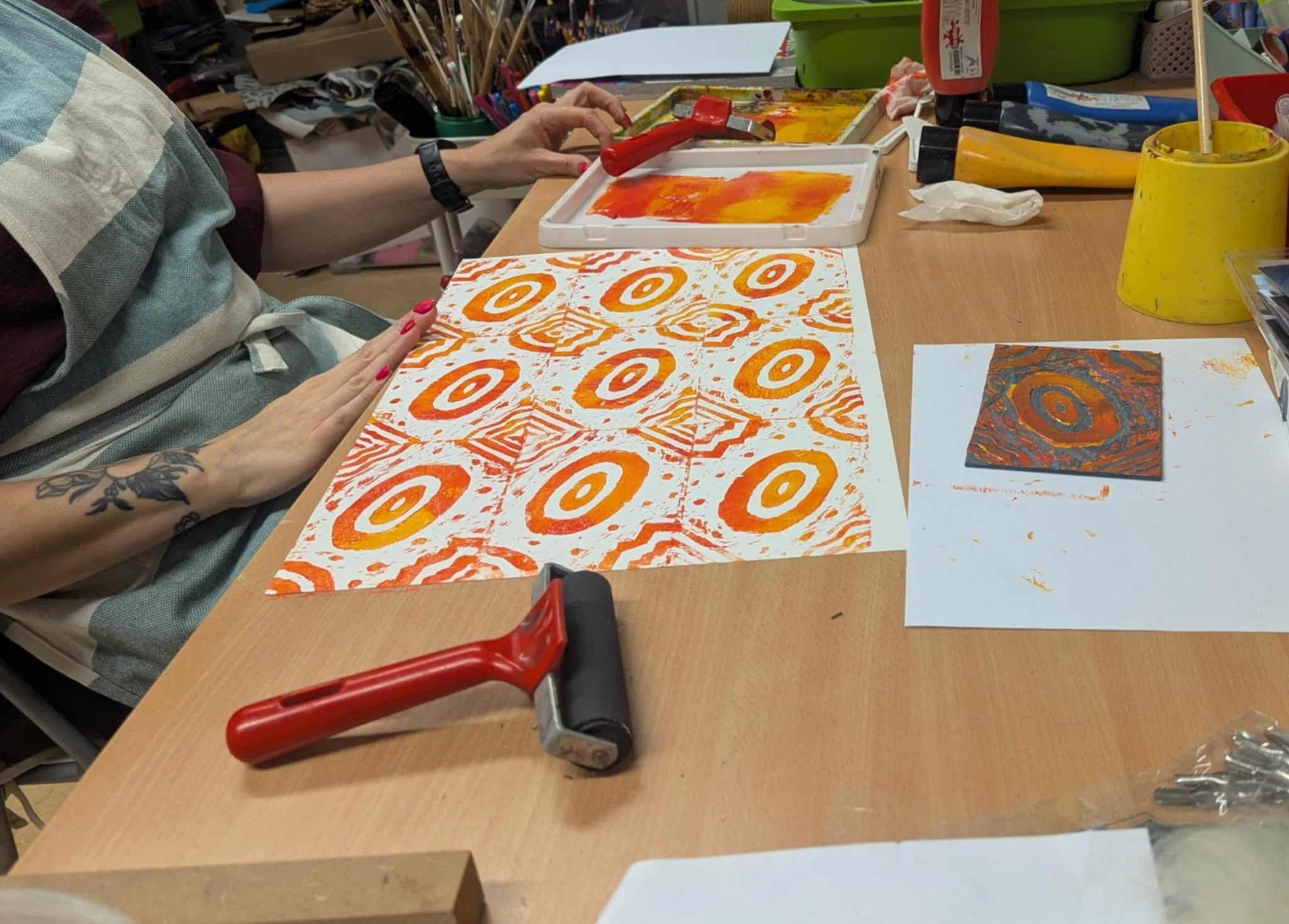

Art therapy offers adults space to reflect and process experiences, while giving children and young people a creative way to express big feelings and make sense of what they’re going through.
It’s not always easy to put your trauma into words. Art therapy offers support without pressure to explain everything.
Laura offers one-hour art therapy sessions for £85, with all materials included. If you’d like to explore whether art therapy could be a good fit for you or your family, we’re very happy to talk things through and answer any questions.
Sessions last one hour
£85 per session -including all materials
Who can benefit:
Adults, families and children
Meet Laura Lee

Laura has worked for many years with children and adolescents, particularly those who are neurodiverse, adopted, or who have experienced significant trauma and abuse. She has supported young people in specialist autism provisions and in therapeutic services for adopted families, helping them find ways to express what feels too big, too complex, or too painful to put into words.
Specialist art therapist who works alongside children, adults and families.
Alongside this, Laura enjoys working with adults. Some are seeking help with trauma or complex mental health concerns; others wish to integrate therapy with their own creative interests and art styles. She also has a special interest in family work, where parents and children make art together as a way of strengthening bonds, rebuilding trust, and navigating difficult relationships.
Who Can Benefit from Art Therapy?
Art therapy can support people across all ages and backgrounds. At Therapy Huddersfield, Laura frequently works with a range of clients including:
-
Whether facing trauma, anxiety, depression, or significant life changes such as menopause, art therapy offers a safe, creative outlet to process complex emotions.
-
Dyadic art therapy provides a shared space for parents and children to rebuild attachment, improve communication, and experience safety together.
-
Those who have experienced neglect, abuse, or trauma; children on the autism spectrum; young people with ADHD or PDA who find traditional therapy too demanding.
-
Specific challenges include self-harm, addictions, chronic illness, or simply the need for a non-verbal way to reflect and explore.
Art Therapy and Trauma
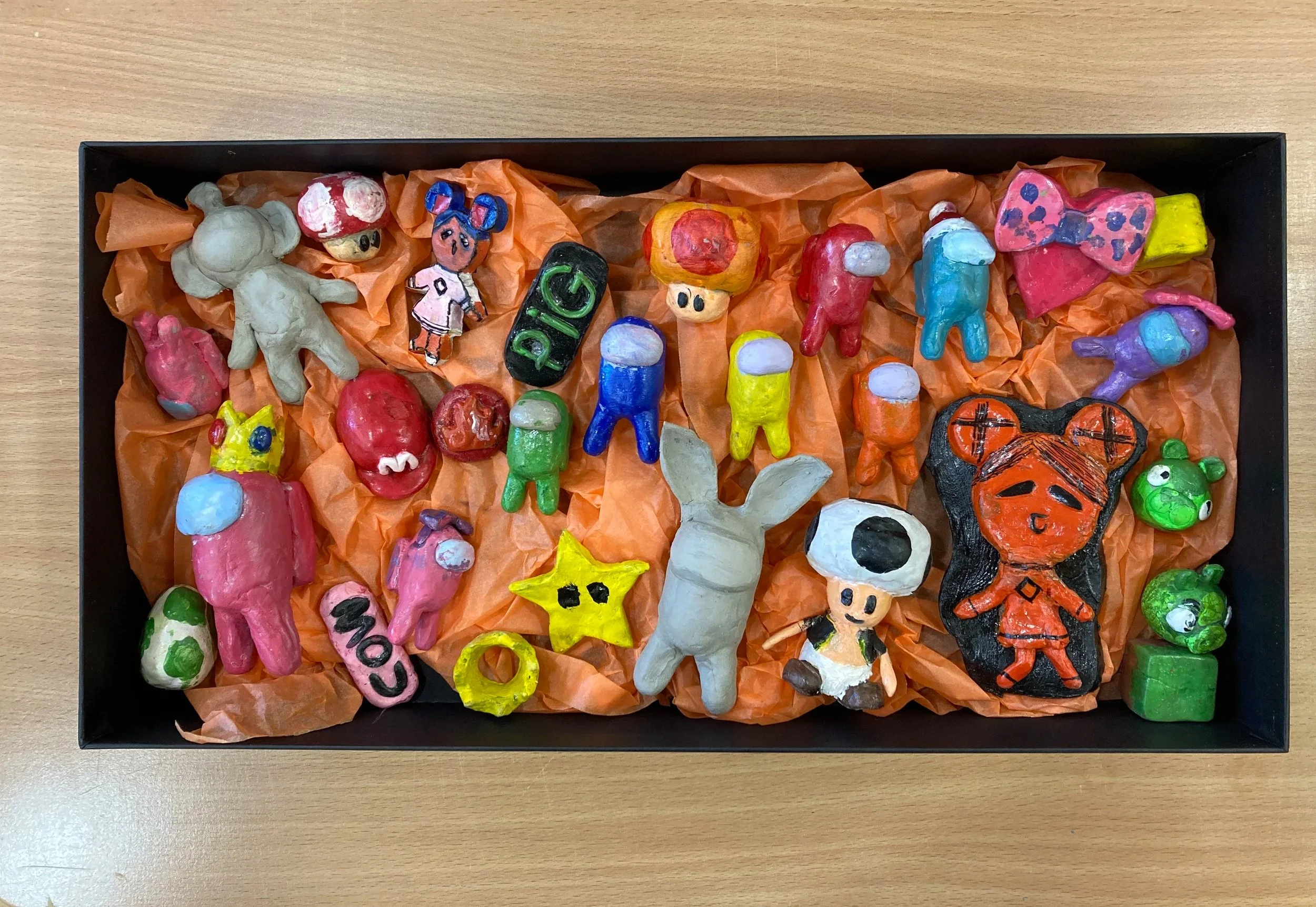
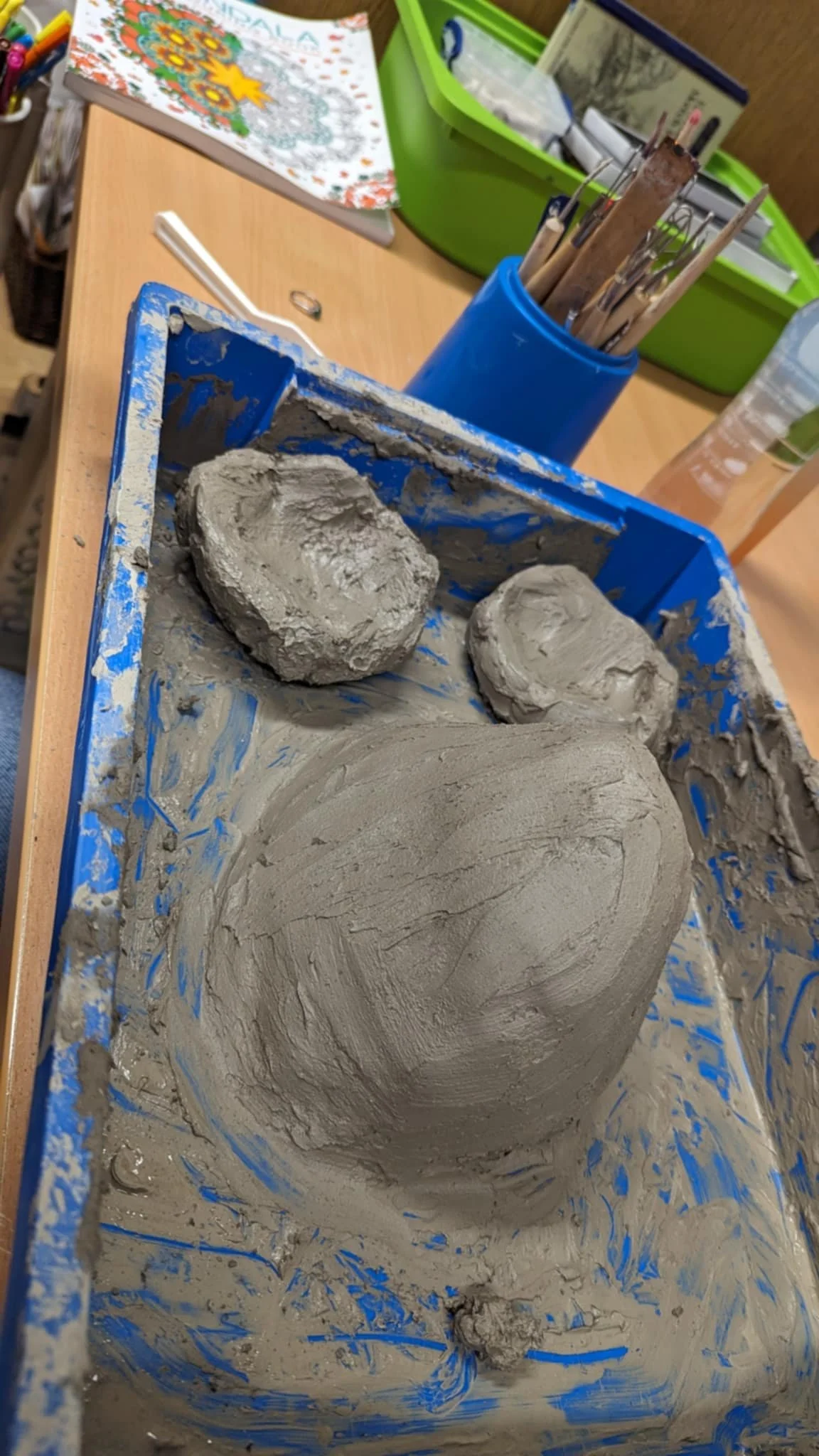
One of the most powerful applications of art therapy is in supporting recovery from trauma. Research has shown that working with clay, for example, can reconnect children who have been abused with their sense of touch, safely reawakening physical sensations that may have been blocked out (Murphy, 1998). The act of shaping or sculpting can allow anger or fear to be expressed outwardly, rather than turned inwards (Ambridge, 2008).
Symbols and images often provide a bridge between unspoken memories and new narratives. As Gantt and Tinnin (2007) note, creating an image of trauma can help clients consolidate overwhelming experiences, making them more manageable to integrate into the present.
In Laura’s work, this might mean a young person paints their ‘stormy feelings,’ or a parent and child make something together that represents safety. Through the act of creating, new possibilities for healing begin to emerge.
Art Therapy for young people
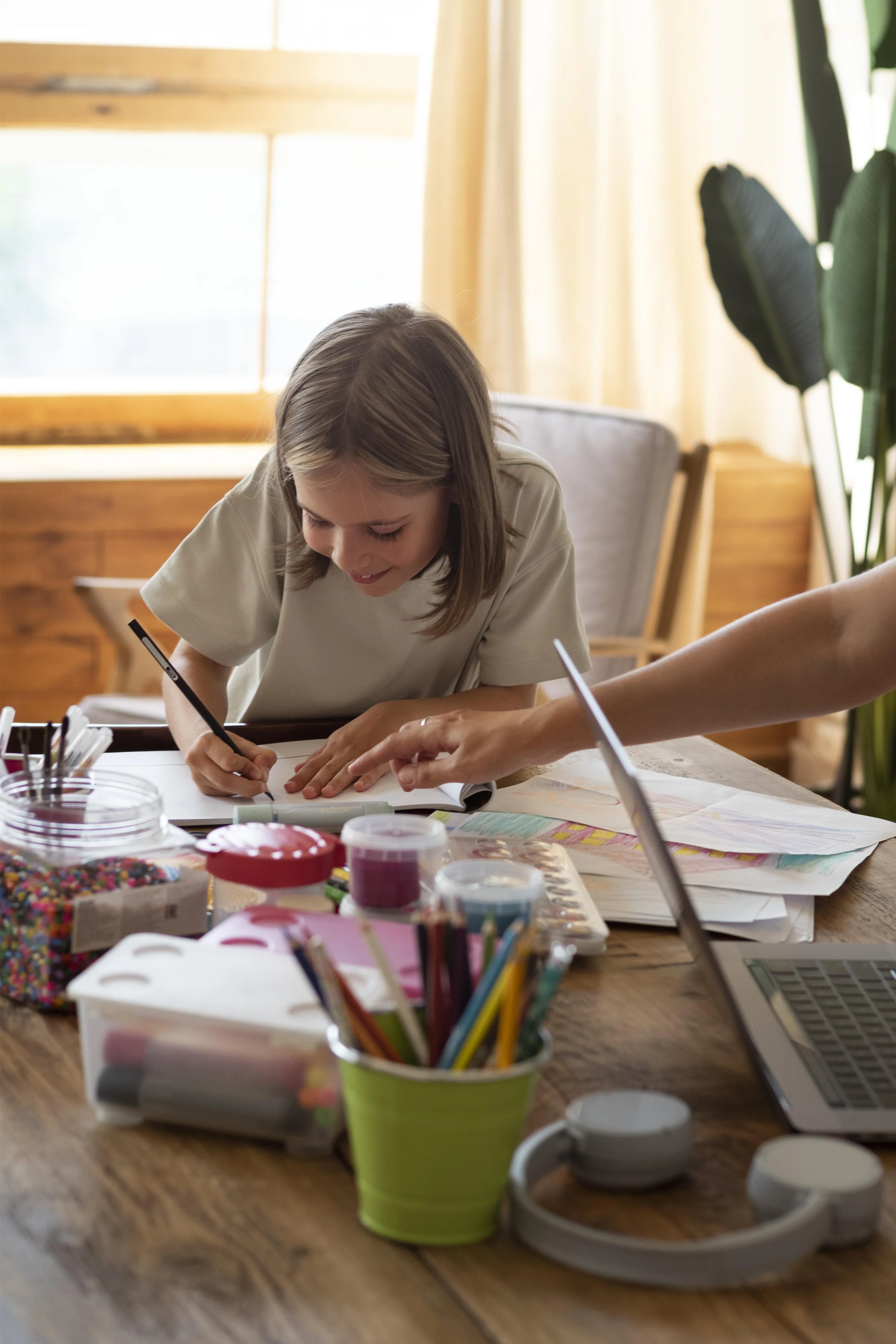
Art therapy offers children a gentle, child-centred way to identify and express big feelings when words feel too hard or overwhelming. Parents may notice their child having emotional outbursts, becoming withdrawn, shutting down, or struggling to explain what’s wrong. Art therapy helps children communicate through creativity, using materials like paint, clay, and play-based resources to show what’s going on inside. For children who find talking difficult or who feel overwhelmed by traditional therapy, art therapy provides a safe and supportive space where feelings can be explored at their own pace, without pressure to explain everything out loud.
Children who might benefit from art therapy…
Struggle to talk about their feelings or express what’s upsetting them
Have ADHD or PDA and find traditional therapy too demanding
Experience big emotions, meltdowns, or emotional shutdowns
Show changes in behaviour at school or at home
Are autistic or find verbal communication challenging
Communicate more comfortably through play or creativity than words
Art Therapy for Adults

Art therapy offers adults a gentle way to explore and express underlying feelings when words feel hard to find. It can be especially supportive for those who have lived through difficult or traumatic experiences and don’t want, or aren’t ready, to talk about them in detail. Through creativity, emotions can be explored safely and at your own pace, allowing space to process what sits beneath the surface without pressure to revisit painful experiences out loud. Art therapy focuses on the process rather than the outcome, helping adults reconnect with themselves and feel understood in a different way.
Adults who might benefit from art therapy…
Have experienced trauma and find talking about it overwhelming or unsafe
Carries feelings they can’t quite name or easily identify
Have suffered domestic abuse or coercive relationships
Experience anxiety, stress, or emotional overwhelm
Feel numb, disconnected, or lost and are unsure what is causing this
Don’t feel like traditional talking therapy is for / works for them
Frequently Asked Questions
-
No. Art therapy is about expression, not artistic skill. The value lies in the process, not the product.
-
Yes. Research and clinical practice both show that creative processes allow clients to externalise traumatic memories in a safe way, helping them regain control and integrate difficult experiences.
-
Absolutely. It provides a non-verbal means of communication, helps with sensory regulation, and can build self-esteem.
-
Yes. Shared creative sessions can strengthen bonds, improve communication, and foster understanding.
-
While counselling relies mainly on talking, art therapy brings in creative expression as a parallel language — often reaching parts of experience that words alone cannot.
Do I need to be good at art?
Clients sometimes worry that they need to be ‘good at art’ to take part in art therapy. This isn’t the case at all. Art therapy is not about producing a finished piece of work — it’s about the process. The materials, the colours, and the shapes become a language in themselves, allowing thoughts and feelings to be expressed in ways that words cannot always capture.
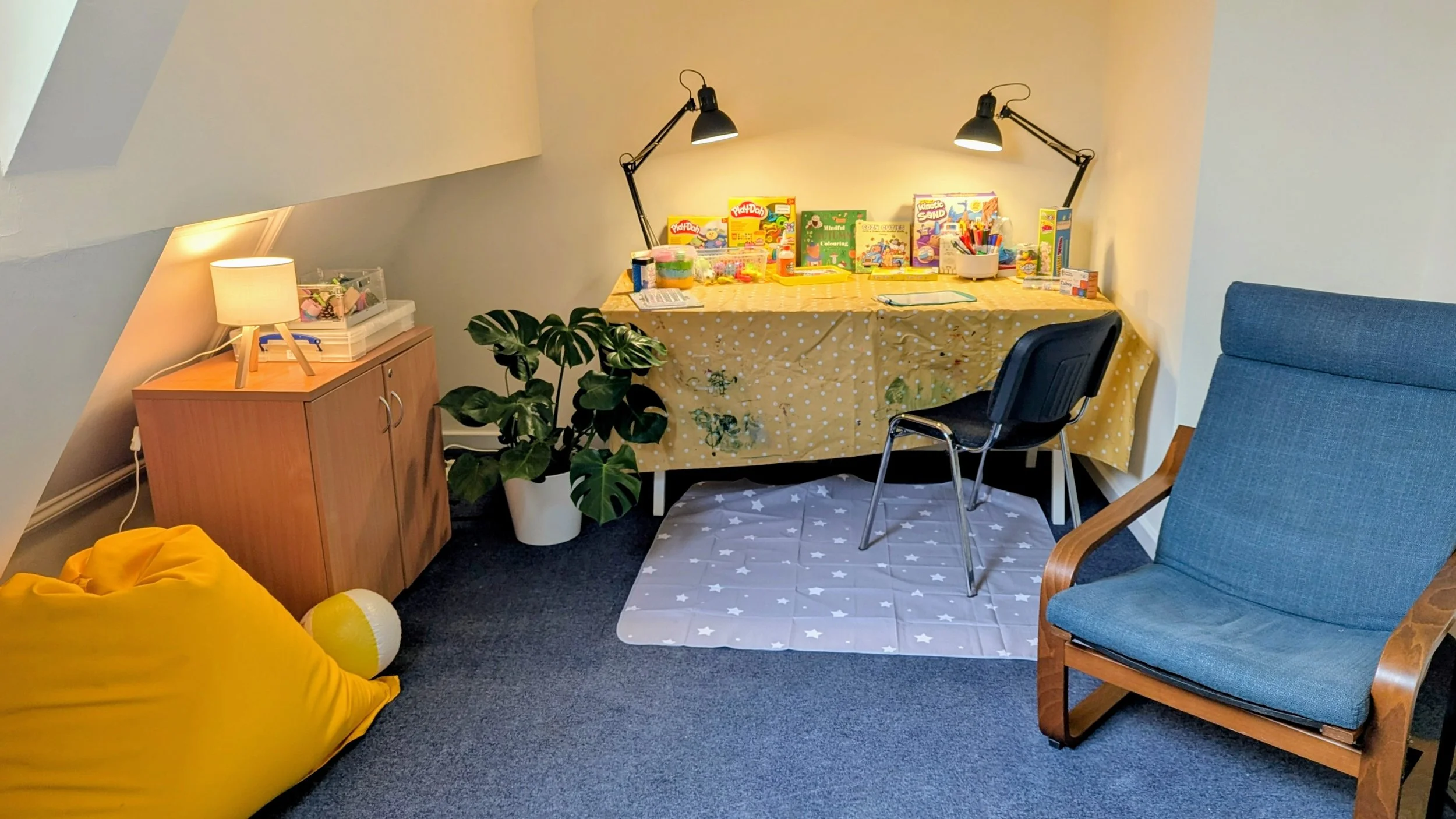
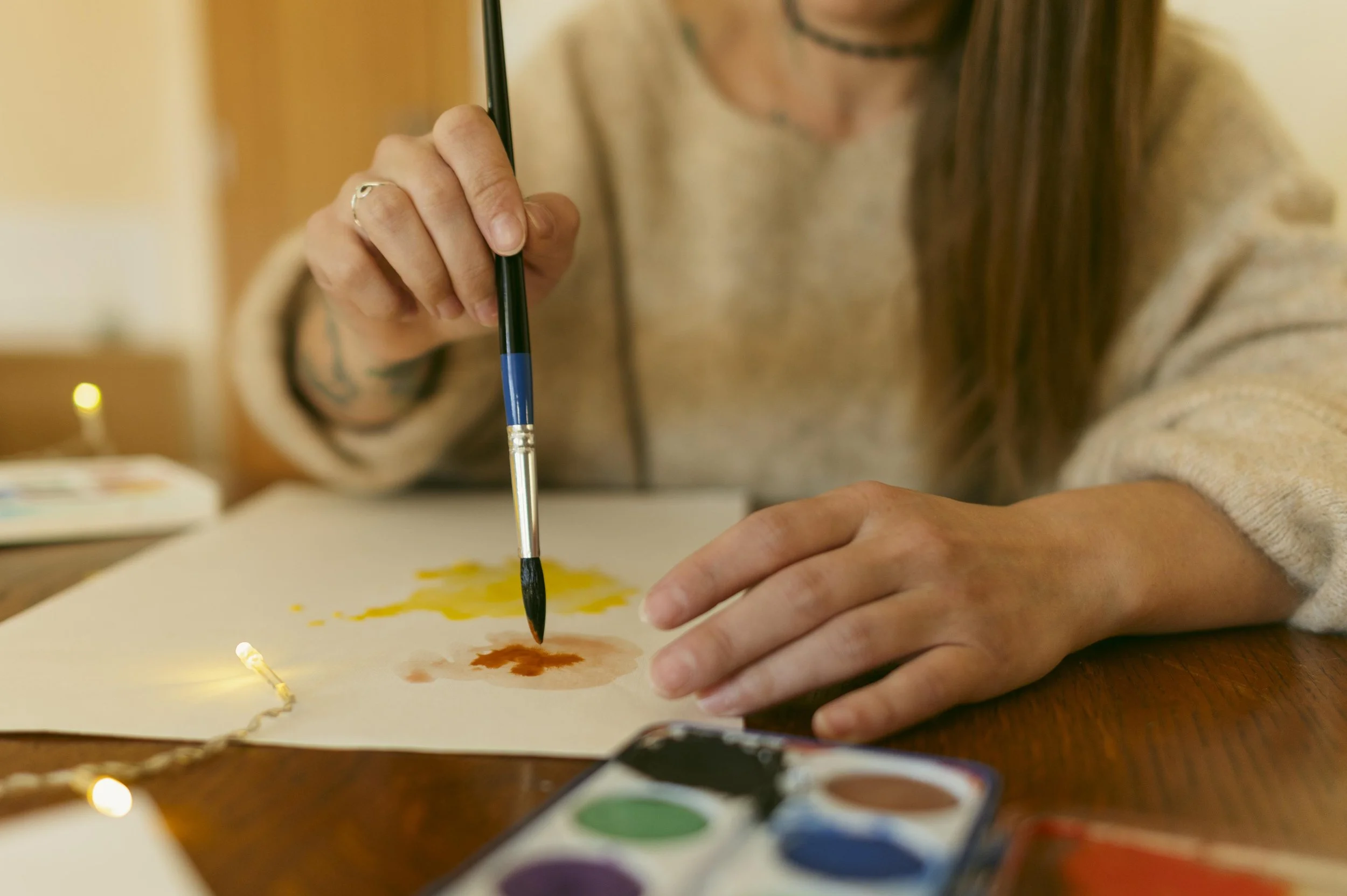
In a session, Laura might provide paints, clay, or collage materials. Some clients want to talk while they create; others prefer to focus on the making itself. Over time, the artwork becomes part of the therapeutic conversation — offering a safe distance to explore emotions, memories, and hopes.
Art therapy opens doors for people who may find words too difficult, overwhelming, or limiting. In Laura’s safe, creative space, children, families, and adults can begin to express themselves, build trust, and find new ways to heal. If this sounds like something that could support you or your child, please do get in touch. My contact details are below, and I’d be glad to talk more about how Laura or one of our team might help.